

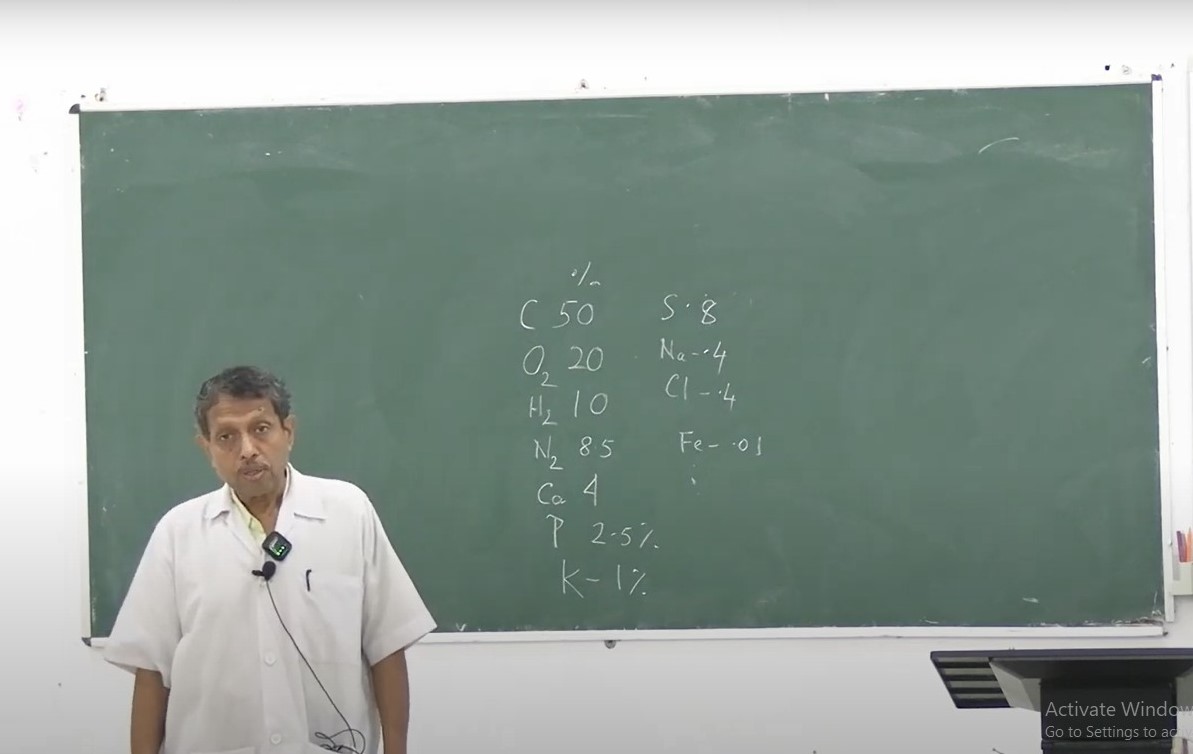
Dr. Achyut Ghosal’s Insightful Lecture: Santiniketan Medical College & Hospital hosted a highly engaging and informative session today, as Dr. Achyut Ghosal, a distinguished physiologist and academician, delivered an in-depth lecture and conducted a practical classroom demonstration on Physiology for the medical students. The event aimed at enhancing the students’ understanding of human body functions and the physiological processes that underpin health and disease.
The Significance of Physiology in Medical Education
Dr. Achyut Ghosal began his lecture by stressing the pivotal role of Physiology in the study of medicine. He explained that physiology is the branch of medical science that deals with the normal functions of living organisms and their parts. “While anatomy tells us the structure of the body, physiology explains how these structures function in harmony to keep the body working properly,” he remarked, addressing the students.
Physiology is essential in understanding how the various organ systems—such as the circulatory, respiratory, digestive, and nervous systems—function in health and disease. Dr. Ghosal emphasized that this knowledge is fundamental for diagnosing diseases, understanding their pathophysiology, and designing effective treatment protocols. “A physician must understand how a healthy body works in order to recognize when something goes wrong,” he said.
The Body in Motion: A Deep Dive into Physiological Systems
After the introduction, Dr. Ghosal delved into a comprehensive exploration of the major physiological systems of the body. The lecture covered key systems such as the cardiovascular, respiratory, nervous, and endocrine systems, explaining their roles in maintaining homeostasis and supporting life.
Cardiovascular System: Dr. Ghosal began by explaining the cardiovascular system, highlighting how the heart, blood, and blood vessels work together to transport oxygen, nutrients, and waste products throughout the body. He explained the processes of blood circulation, blood pressure regulation, and the cardiac cycle, and emphasized the importance of maintaining cardiovascular health. “The heart functions as a pump that ensures that blood circulates efficiently through the body, supporting all vital organs,” he said.
Dr. Ghosal then discussed common cardiovascular diseases like hypertension and atherosclerosis, explaining how they result from disturbances in the normal functioning of this system. He also stressed how understanding the physiology of the cardiovascular system is key to treating conditions like heart failure, arrhythmias, and stroke.
Respiratory System: The next segment of the lecture focused on the respiratory system. Dr. Ghosal explained the process of gas exchange in the lungs, how oxygen is absorbed into the blood and carbon dioxide is expelled, and the role of the diaphragm in breathing. He also discussed the mechanics of ventilation, including inspiration and expiration, and the regulation of breathing by the brainstem and chemoreceptors in the body. “The lungs are essential for oxygenating the blood, and any disruption in this process can lead to life-threatening conditions,” he noted.
Dr. Ghosal then highlighted various respiratory disorders such as asthma, COPD, and pulmonary edema, explaining how these conditions interfere with the normal respiratory function and lead to symptoms like shortness of breath, wheezing, and decreased oxygen levels in the blood.
Nervous System: In the segment on the nervous system, Dr. Ghosal provided a detailed explanation of how the brain, spinal cord, and nerves communicate with each other to regulate bodily functions. He elaborated on the concepts of action potentials, neurotransmission, and the synaptic transmission process. “The nervous system is the body’s control center, responsible for coordinating voluntary movements, regulating autonomic functions like heart rate, and facilitating cognition,” he explained.
Dr. Ghosal also addressed the central nervous system (CNS) and peripheral nervous system (PNS), explaining their respective roles in communication and control. He discussed common neurological disorders such as Parkinson’s disease, multiple sclerosis, and epilepsy, helping students understand how disruptions in normal neurological functioning can lead to debilitating symptoms.
Endocrine System: The final segment of Dr. Ghosal’s lecture focused on the endocrine system, which regulates various bodily functions through hormones. He explained the role of glands such as the pituitary, thyroid, adrenal, and pancreas, and how they release hormones that control metabolism, growth, and stress responses. “The endocrine system is like the body’s communication network, using hormones to ensure that various functions are synchronized,” Dr. Ghosal remarked.
He also discussed diseases related to the endocrine system, such as diabetes mellitus and hypothyroidism, and how imbalances in hormones can lead to widespread physiological disturbances. “The endocrine system plays a significant role in maintaining homeostasis, and any dysfunction in this system can cause systemic issues,” he said.
Practical Classroom Demonstration: Observing Physiology in Action
Following the lecture, Dr. Ghosal conducted a practical demonstration in the classroom, where he used several tools and models to demonstrate the physiological processes discussed in the lecture. The students had the opportunity to observe the functions of various systems through real-time measurements and experiments.
Blood Pressure Measurement: Dr. Ghosal demonstrated how to measure blood pressure using a sphygmomanometer and explained the significance of systolic and diastolic pressure. He also illustrated how blood pressure readings are used to assess cardiovascular health and diagnose hypertension. Students had the chance to take measurements on each other, learning how to interpret the results and understand the implications for patient care.
Breathing Rate and Oxygen Saturation: In the next demonstration, Dr. Ghosal showed how to measure respiratory rate and oxygen saturation levels using a pulse oximeter. He explained how these parameters help in assessing lung function and overall respiratory health. Students were able to observe real-time changes in oxygen saturation levels when performing breathing exercises, emphasizing the body’s ability to regulate respiratory function.
Reflex Testing and Neurological Assessment: Dr. Ghosal then demonstrated various reflex tests such as the knee-jerk reflex and the Babinski sign, explaining their relevance in evaluating the integrity of the nervous system. He discussed how these tests can be used to diagnose neurological conditions and assess the functioning of the central and peripheral nervous systems.
The Role of Modern Technology in Physiology Education
During the lecture, Dr. Ghosal also emphasized the role of technology in advancing the field of physiology education. He mentioned the use of virtual labs and interactive simulations that allow students to explore physiological processes in a virtual environment. “With the help of modern technologies, students can visualize complex physiological processes and experiment with them in a controlled, virtual setting,” Dr. Ghosal said.
He also talked about how medical imaging techniques, such as MRI, CT scans, and electrocardiograms (ECGs), are revolutionizing our understanding of the body’s physiological functions. “These tools provide us with real-time, detailed images of organ function, helping clinicians make more accurate diagnoses and treatment decisions.”
Physiology in Clinical Practice: Bridging the Gap
As the lecture came to a close, Dr. Ghosal emphasized how the knowledge of physiology directly translates into clinical practice. “An understanding of physiology is crucial not only for diagnosing diseases but also for creating effective treatment plans. Whether it’s managing heart failure, treating respiratory distress, or controlling diabetes, physiology forms the foundation of clinical decision-making,” he explained.
He encouraged students to approach physiology with curiosity and to continually update their knowledge as the field evolves. “Physiology is constantly advancing with new research, so it’s important to stay up to date with the latest discoveries and incorporate them into your clinical practice.”
Interactive Q&A: Addressing Student Curiosity
The session concluded with an interactive Q&A, where Dr. Ghosal answered several questions posed by the students. Students were particularly curious about how physiological principles could be applied in emergency medicine, how to interpret physiological data, and the emerging trends in the study of neurophysiology.
One student asked, “How do physiological principles guide emergency interventions like CPR?” Dr. Ghosal responded, “Understanding how the heart and lungs function allows us to apply CPR effectively, ensuring that oxygenated blood reaches vital organs, especially the brain, during cardiac arrest.”
Conclusion: An Enlightening Experience
Dr. Achyut Ghosal’s lecture and demonstration on Physiology were a valuable educational experience for all the students. By blending theoretical knowledge with practical demonstrations, Dr. Ghosal succeeded in making the complex subject of physiology more accessible and engaging. The session reinforced the significance of physiology in medical practice, helping students appreciate the intricacies of the human body’s functioning.
Santiniketan Medical College & Hospital is committed to providing its students with top-notch education, and today’s session was a perfect example of how interactive and comprehensive learning experiences can shape the next generation of healthcare professionals.
Contact Information
Santiniketan Medical College & Hospital
Phone: 03463-255-678
Email: info@smch.edu
Website: www.smch.edu







[…] Read More: Dr. Achyut Ghosal’s Insightful Lecture and Classroom Demonstration on Physiology at Santiniketan M… […]